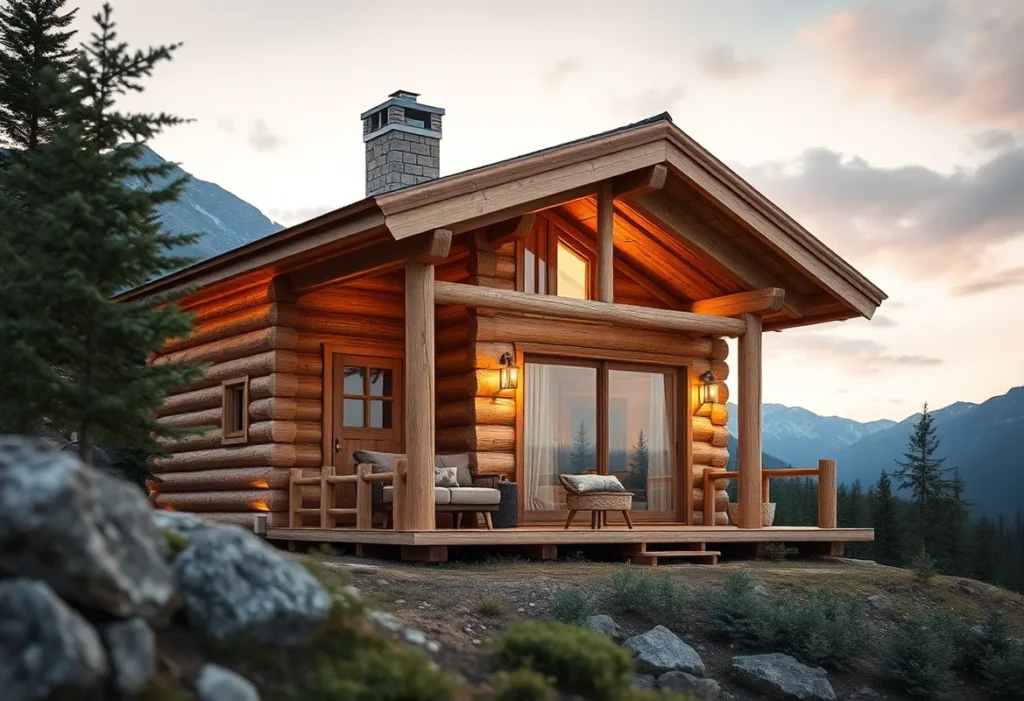
A log cabin is a traditional wooden structure made from logs, serving as a foundational element of mountain living. A standard cabin of this type requires 40% less energy for heating compared to conventional homes, making it an efficient choice for remote locations.
Table of Contents
The best designs for a log cabin include open floor plans, large windows for natural light, and vaulted ceilings. Key features often incorporate energy-efficient insulation, sustainable materials, and outdoor living spaces like decks or porches, enhancing both aesthetics and functionality in mountain settings.
Innovative Log Cabin Designs for Small Spaces
💡 Expert Notes & Insights
- Long-Term Maintenance Costs: Many potential cabin buyers overlook the ongoing maintenance costs associated with log cabins. While initial construction costs may seem manageable, log cabins require regular maintenance to prevent issues such as rot, pest infestations, and water damage. According to industry estimates, maintenance can account for 1% to 3% of the cabin’s value annually, which can significantly impact long-term financial planning.
- Environmental Impact of Material Sourcing: The choice of materials for log cabins is often made without considering the environmental impact of sourcing these materials. Sustainable logging practices can reduce ecological harm, but not all suppliers adhere to these standards. For example, using sustainably sourced cedar or pine can help maintain forest ecosystems, whereas unsustainable practices can lead to deforestation and biodiversity loss. Consumers increasingly value eco-friendly building practices, which can also enhance the marketability of the cabin.
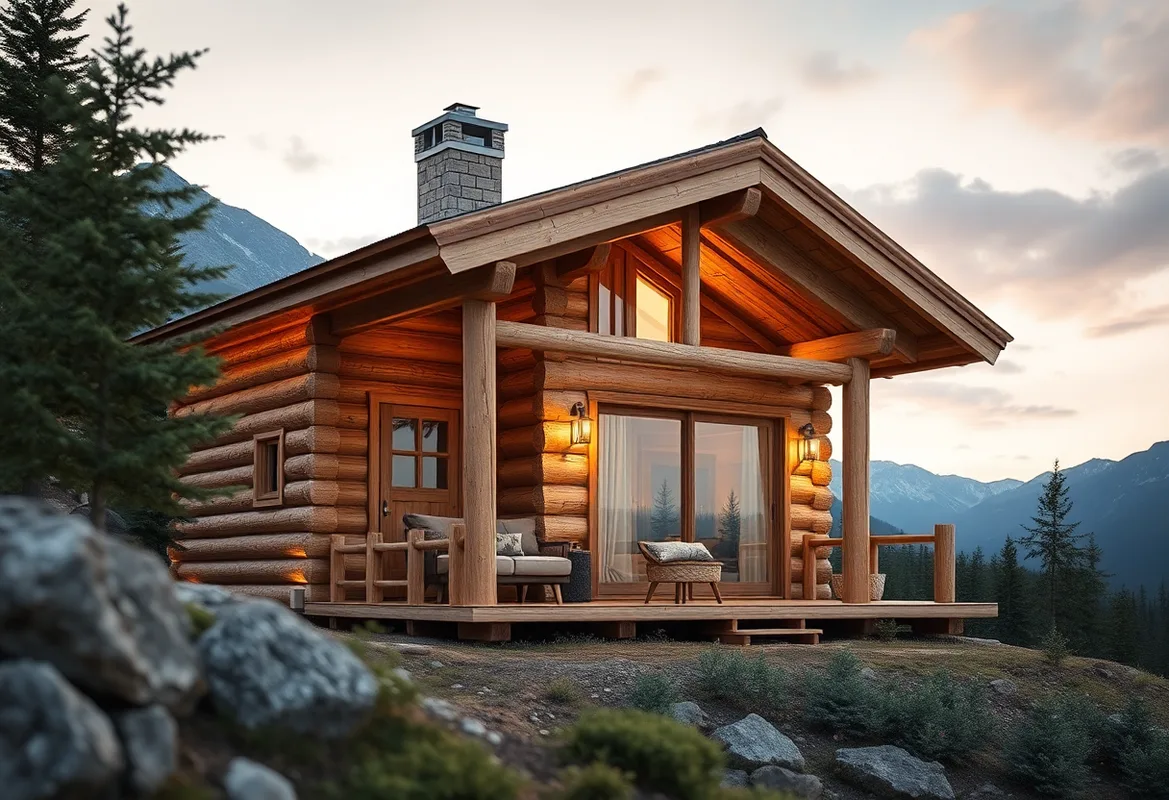
Small log cabins can be both cozy and functional. Clever designs maximize every inch, making them perfect for mountain living.
One popular option is the lofted cabin. This design features an upper sleeping area, freeing up the main floor for living space. A typical loft can save 200 sqft, offering a more open feel. Use this area for a small office or reading nook, adding utility without sacrificing space.
Another alternative is a modular design. These cabins come in pre-fabricated sections, and assembly is quick and efficient. Custom plans allow for unique layouts, and you can choose features that suit your needs. Consider options like built-in storage or multi-functional furniture to maximize space even further.
Both designs have trade-offs. Lofted cabins may feel cramped for tall individuals, while modular options can be more expensive upfront but save time on construction. Assess your budget and lifestyle before deciding.
Explore these features to find the best fit. Innovative designs can create a stylish, efficient space for any mountain retreat. Make the most of your small log cabin by incorporating smart design elements.
Exploring Cozy Cabin Locations
Choosing the right spot for your log cabin is key for comfort and fun. The Rocky Mountains have great views and outdoor fun all year. This area is great for those who want adventure and nature. Skiing, hiking, and fishing are just a few activities to enjoy Best Log Cabin Designs and Cabin Office….
The Appalachian Mountains have a different charm. Here, you can find a calm place with pretty views and rich history. These mountains are great for those who value peace and tradition in their mountain living. You can explore quaint towns and learn about local culture, enhancing your experience.
Another good choice is the Pacific Northwest. This area has green forests and a mild climate. It is perfect for large log cabins and offers many chances for space use and modern log homes. Plus, the abundant rainfall keeps the landscape lush and beautiful.
Think about access too. A spot near a restaurant or grocery store can make life easier. But, remote places often give peace and privacy for a cozy retreat. Weigh the good and bad based on your lifestyle and likes. Always consider proximity to emergency services, too. A balance of convenience and tranquility is ideal for your log cabin experience. For more ideas, check out the best cabin destinations to inspire your next getaway.
The Allure of Rustic Lodge Aesthetics
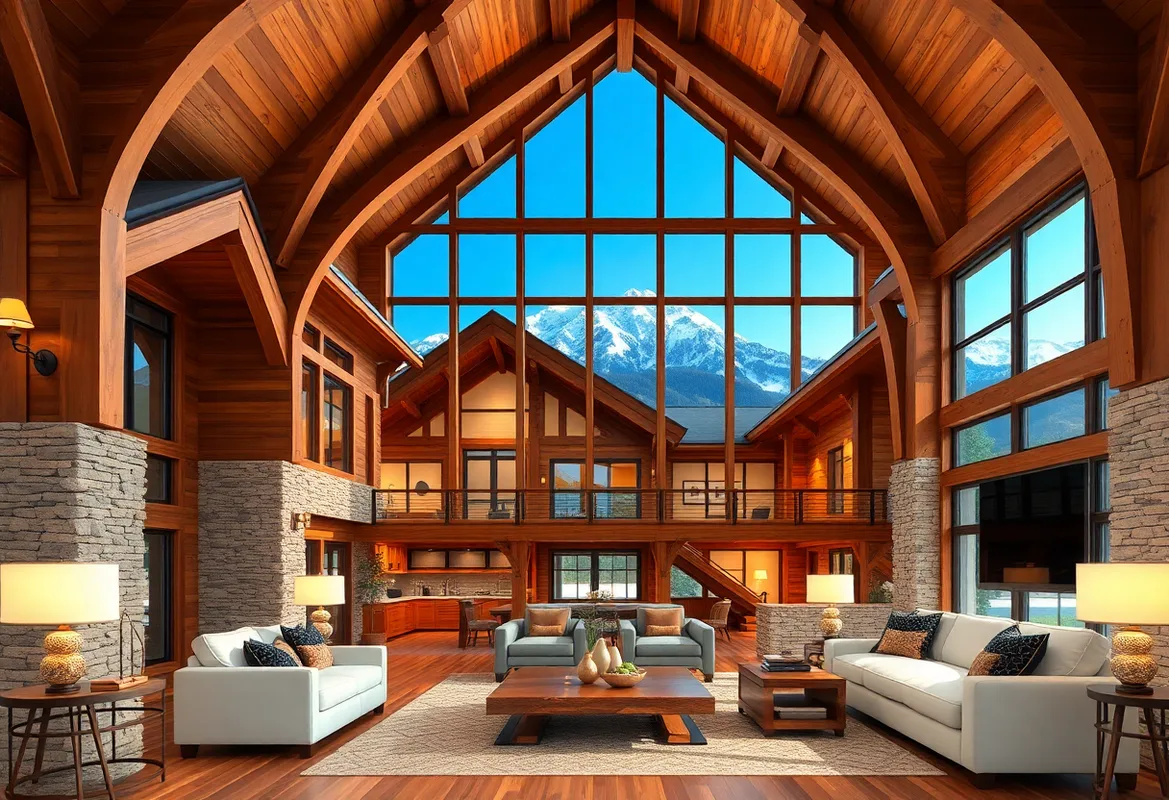
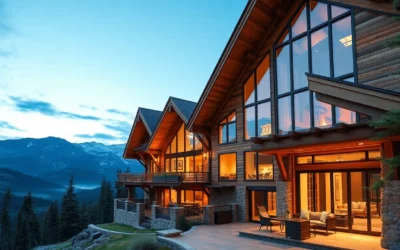
Rustic lodge styles create a warm, inviting space. The charm of a log cabin comes from its natural materials and cozy design. Exposed logs and stone accents boost the feeling of being close to nature. Using local materials can make this connection even stronger. It helps the cabin feel like part of its surroundings.
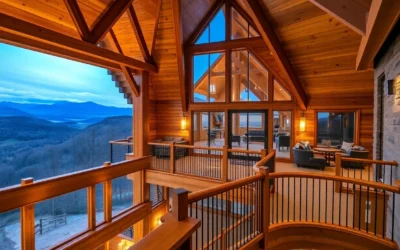
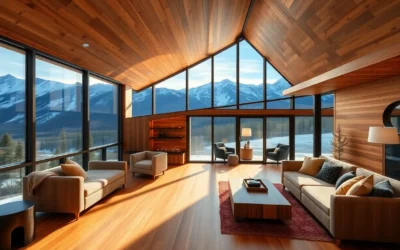
Large windows give stunning views. They let in natural light and blend the indoors with the outdoors. This connection makes time in a log cabin enriching and relaxing. Think about adding sliding glass doors to maximize this effect. They connect outdoor spaces for summer gatherings.
Open floor plans are common in log cabins. They create a spacious feel, great for family gatherings. Many designs have a big lower level for extra living space or a game room. It’s perfect for fun and relaxation. Adding a wood-burning stove can boost the cozy feel.
Rustic interiors often have traditional wood finishes. These materials age well, adding character over time. In contrast, modern designs use sleek lines and metal accents. These can feel cold and impersonal. Log cabins balance warmth and style, making them timeless. Layering textures, like soft fabrics and natural fibers, can make the cozy feel even better Cabin Interior Design Guide: 14 Modern Ideas….
Essential Features of a Modern Timber Home
This section provides additional context and guidance related to log cabin. For the best outcome, combine these insights with the core strategies outlined throughout this guide.
Every project is unique, so feel free to adapt the recommendations here to suit your specific needs, budget, and timeline.
Benefits of Open-Concept Layouts in Cabins
Open-concept layouts in log cabins feel spacious. These designs connect living, dining, and kitchen areas. This setup encourages social time with family and friends. It promotes a sense of togetherness that is perfect for cabin life.
Natural light is a big plus. With fewer walls, sunlight flows freely in the space. This brightens the inside, making it feel warm and inviting. Add large windows or glass doors to enhance this effect. This can create stunning views of nature right from your living area.
Another plus is flexibility in furniture setup. You can easily change the space for different activities. Whether hosting a dinner party or a cozy movie night, open layouts fit it all. Use movable furniture to easily adapt the space as needed. This adaptability makes the cabin feel alive.
Choosing an open-concept layout can also save on building costs. Fewer walls mean less material is needed. This can lower labor costs and cut the overall budget for your log cabin. A simpler design often requires less time to construct, speeding up your project.
Closed layouts offer privacy but can feel tight. They separate rooms, creating barriers that limit movement and interaction. An open concept fosters togetherness, great for cabin living. It allows for easy communication and connection among family members.
Think about how your cabin floor plans match your lifestyle. An open layout maximizes space and improves the experience of mountain living. This design connects the indoors with the lovely outdoor views. Consider the flow of your daily activities and how an open space can enhance them.
Log Cabin vs. Traditional Homes: A Comparison
Log cabins and traditional homes each have distinct advantages. The former offers a unique aesthetic, and its rustic charm attracts many who love nature.
On the other hand, traditional homes often provide more design options. They come in various styles, from colonial to modern. This variety allows for unique floor plans and layouts.
Log cabins typically use fewer resources and often require less energy for heating due to their natural insulation properties. R-value for log walls is about 1.41 per inch, making them efficient.
Traditional homes, however, may have more available space. They often feature multiple stories, allowing for larger families. These structures usually range from 1,000 to 2,500 square feet.
Cost is another factor. Log cabins can cost between $100 to $300 per square foot, while traditional homes may vary widely in price depending on the location and materials.
In summary, choose based on your lifestyle needs. Log cabins suit those wanting a close connection to nature, while traditional homes fit those seeking versatility in design and space.
Customizable Features for Your Dream Cabin
This section provides additional context and guidance related to log cabin. For the best outcome, combine these insights with the core strategies outlined throughout this guide.
Every project is unique, so feel free to adapt the recommendations here to suit your specific needs, budget, and timeline.
Understanding Cabin Sizes and Square Footage
Log cabins typically range from 1,000 to 2,500 square feet. This size offers enough room for families or groups. Larger cabins provide more space for additional bedrooms and living areas. Think about how many people will stay in your cabin. Each guest needs their own space for comfort.
Choosing a cabin size involves trade-offs. A smaller cabin is easier to heat and maintain. It can also save you money on building costs. However, it may limit your storage and guest capacity. Plan for your hobbies or activities. Smaller cabins can make it tough to fit everything.
On the other hand, larger cabins can accommodate more features. You might include a spacious kitchen or extra bathrooms. This space allows for custom cabin plans that fit your lifestyle. Yet, a larger footprint often means higher costs for materials and utilities. Always factor in long-term upkeep costs when choosing size.
Consider the layout when deciding on size. Open floor plans can make smaller cabins feel larger. This design choice enhances log home features while maximizing usability. Large windows can also create a sense of space. Ultimately, the right size depends on your needs and preferences. Create a list of must-have features before deciding on size.
Choosing the Right Location for Your Timber Home
Choosing a location is key for your log cabin. Think about access to places like restaurants and shops. A remote site gives peace and privacy. A spot near a town offers more convenience and social options.
Consider the climate carefully. Areas with mild weather are easier to manage year-round. Mountain spots may have great views, but they often require more maintenance due to snow and heavy rain. Look for local weather patterns to understand what to expect.
Think about your lifestyle needs. If you enjoy outdoor fun, pick a place near hiking trails and lakes. If you seek tranquility, forests or quiet valleys are best. Research nearby activities like fishing, skiing, or biking to enhance your experience.
Proximity to utilities is also important. Rural areas may lack reliable water and power sources. Urban lots often cost more and have less space for your cabin.
Modern log homes can fit well with nature, boosting their charm. Think about how your cabin will blend with the land. This can affect both aesthetics and resale value. Check local zoning laws as well. They may limit your options or dictate cabin size.
Exploring Menu Options at Cabin Restaurants
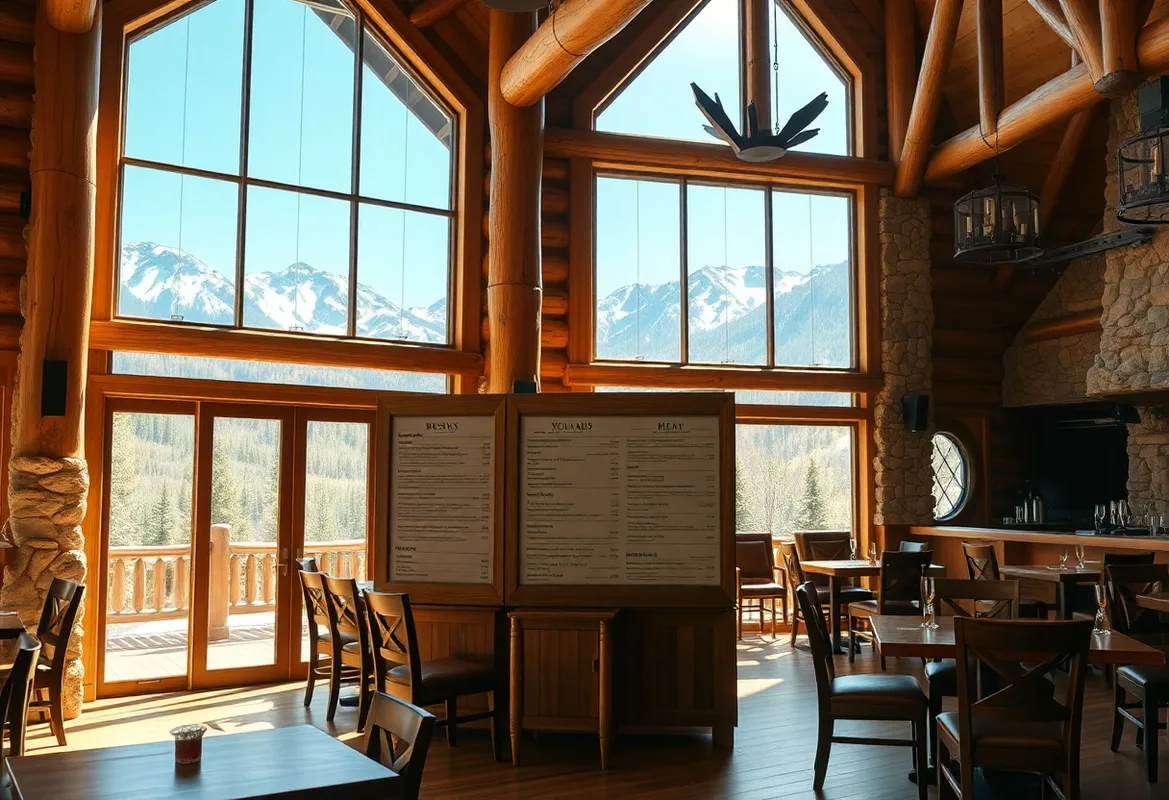
Cabin restaurants often offer unique dining experiences. They feature local cuisine and seasonal ingredients. Visitors can expect a mix of hearty meals and light snacks.
One popular option is the rustic burger. Many cabin eateries serve juicy burgers made from locally sourced beef. These often come with homemade fries and a variety of toppings. Consider trying a specialty burger with local cheeses or unique sauces for added flavor.
Another choice features fresh fish from nearby lakes. Grilled trout or pan-seared salmon are common. These dishes highlight the fresh catch and pair well with seasonal sides. Don’t hesitate to ask the server about the day’s catch for the freshest option.
Some cabin restaurants provide vegetarian options too. Salads with local greens and wild mushrooms are a favorite. They offer a lighter alternative to meat dishes. Pair your salad with a house-made dressing for an extra kick.
Prices vary widely. A burger might cost around $15, while fish dishes can range from $20 to $30. Choosing between a hearty burger or a light salad can depend on your mood and hunger level. Be sure to check for daily specials, which often feature dishes at great prices.
Exploring these options is part of the cabin experience. Cabin dining creates a connection to the surroundings and enhances your overall stay. Enjoying these meals can help you appreciate the flavors of the region. For those considering their accommodations, it’s worth looking into cabin vs hotel options to find the perfect fit for your getaway.
Related Reading
Expand your knowledge with these related guides:
- The Ultimate Guide To Cabin Rentals Everything You Need To Know
- Plan Cabin Getaway Cabin Vacation Planning Cabin Trip Guide How To Book Cabin
- Cabin Vs Hotel Why More Travelers Are Choosing Cabins 2
- 10 Best Cabin Destinations In North America For 2024
Frequently Asked Questions
Q: What is a log cabin?
A: A log cabin is a small house made from logs. It is a popular choice in the mountains.
Q: How well do log cabins insulate?
A: Log cabins have good insulation. Think of logs like a cozy blanket for your home.
Q: What is chinking?
A: Chinking is a material used between logs. It helps keep heat in, like caulking in a window.
Q: Can I build my own log cabin?
A: Yes, many people build their own log cabins. It takes planning and effort, but it’s rewarding.
Conclusion
this retreats represent much more than just a structure; they embody a lifestyle that embraces nature, tranquility, and self-sufficiency. After two decades designing mountain retreats, I can assure you that the allure of a log cabin lies in its ability to provide a sanctuary away from the chaos of everyday life. These rustic havens not only offer an escape but also foster a deep connection with the surrounding wilderness, creating cherished memories for generations to come.
Now is the time to bring your cabin dreams to life! I encourage you to share your own projects, thoughts, or aspirations about the structures in the comments below. Whether you’re in the planning stages or have already constructed your retreat, your experiences can inspire others to embark on their own journey into the enchanting world of log cabins!
About the Author:
Rustic Living Consultant is a seasoned specialist with a lifelong passion for mountain architecture and rustic home design. With decades of experience in log home construction, they are dedicated to helping people turn their wilderness dreams into durable, stunning realities.
Leave a Comment