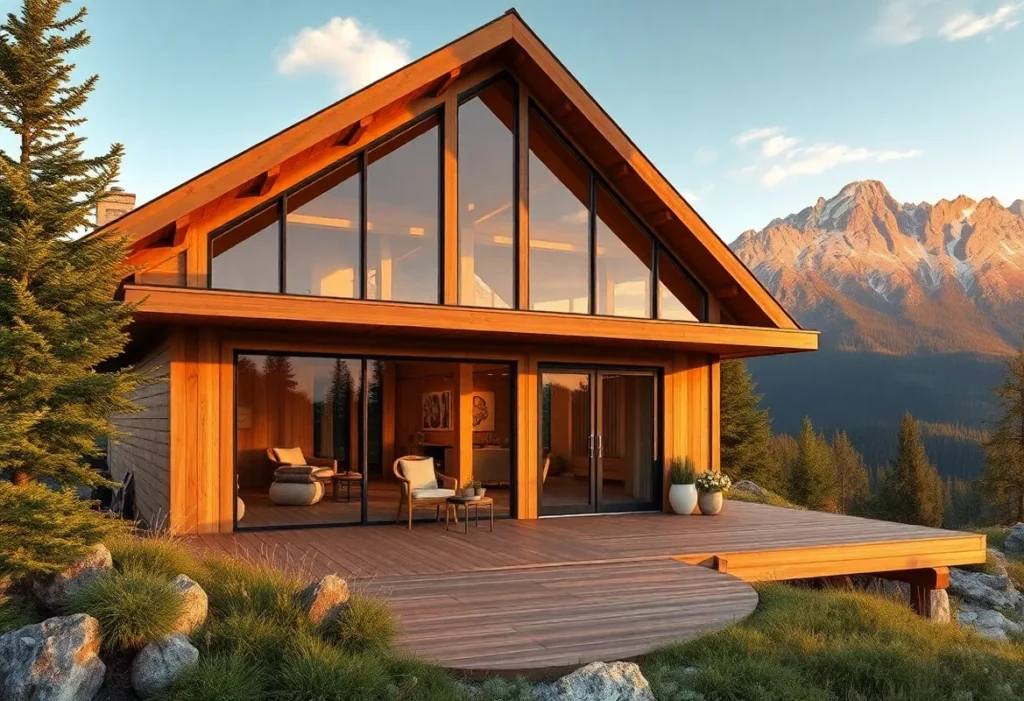
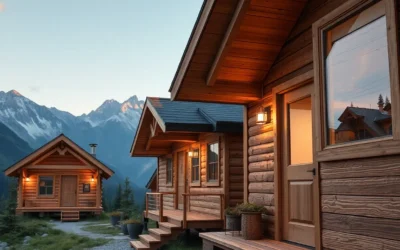
Off-Grid Cabins are self-sufficient dwellings designed to operate independently of public utilities, serving as a foundational element of mountain living. A standard off-grid cabin typically incorporates renewable energy sources, reducing energy consumption by up to 40% compared to conventional homes.
Table of Contents
Introduction to Off-Grid Cabins
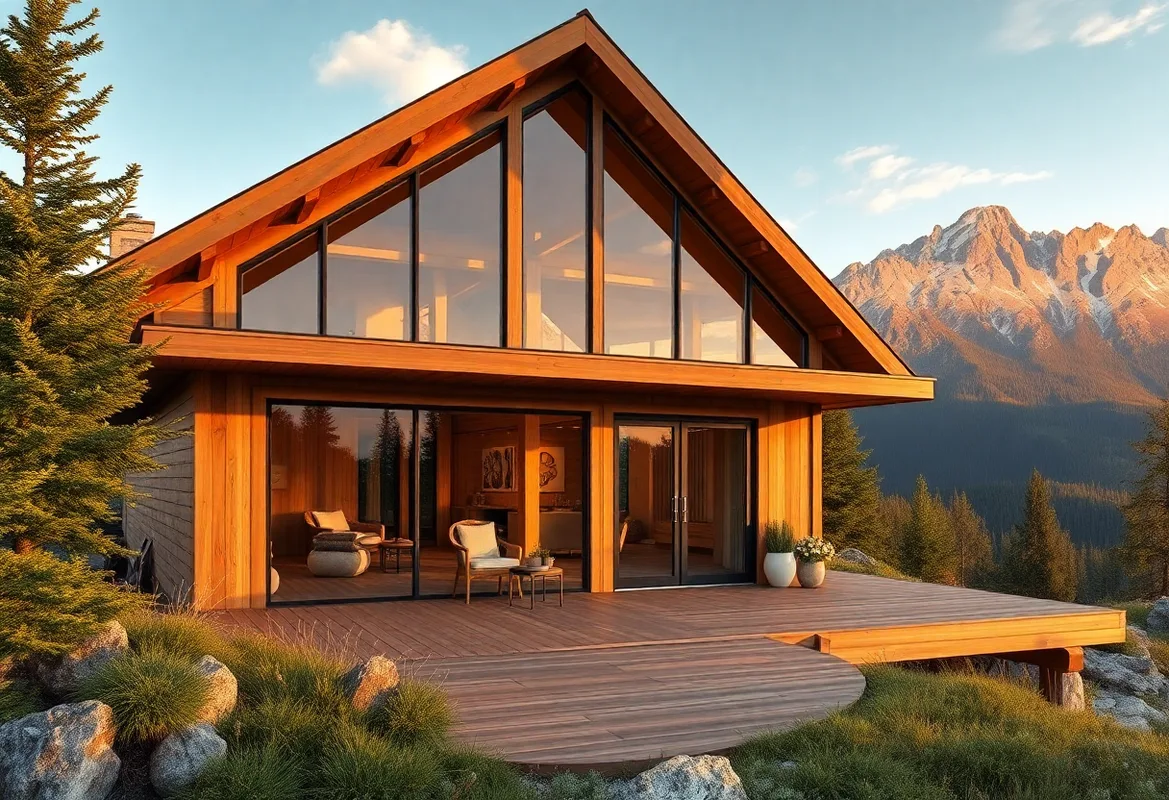
💡 Expert Notes & Insights
- Importance of Location Selection: Choosing the right location for an off-grid cabin significantly impacts sustainability and resource availability. Proximity to natural water sources, sunlight exposure for solar energy, and wind patterns for wind turbines are crucial. For instance, regions with consistent sunlight, like the Southwest, can enhance solar energy efficiency, while areas with ample rainfall can support rainwater harvesting systems.
- Long-Term Maintenance Costs: Many individuals underestimate the ongoing maintenance costs associated with off-grid living. While initial setup costs may range from $150 to $300 per square foot, long-term expenses, such as repairs to renewable energy systems and water management systems, can accumulate. Data indicates that off-grid systems may require 10-20% of their initial investment annually for maintenance, emphasizing the need for comprehensive budgeting and planning.
Off-grid cabins provide a unique way to live independently. These structures let you escape the hustle and bustle of modern life. They offer a chance to connect with nature while enjoying self-sufficiency.
Building one means relying on natural resources. You can use solar panels for energy. Wind turbines and micro-hydro systems are also great options. Each energy source has its pros and cons. Solar panels require sunlight, while wind turbines need consistent wind. Micro-hydro systems work best near flowing water. Research your location’s climate before choosing an energy source to ensure efficiency.
Water and waste management are crucial. You’ll need to think about how to collect rainwater or dig a well. Composting toilets are a popular choice for waste disposal. They save water while being eco-friendly. However, they require regular maintenance. Consider adding a greywater system to recycle water from sinks and showers. This can help you use resources more efficiently.
Cost is another important factor. The average expense of building one ranges from $150 to $300 per square foot. This can vary based on materials and location. Common materials include wood, metal, straw bales, and earth bags. Each has different insulation properties and costs. For example, straw bales provide excellent insulation but require more maintenance than wood. Always compare costs and longevity before making choices.
Typical sizes range from 400 to 1,200 square feet. Smaller cabins are easier to maintain, while larger ones offer more space for family and guests. Popular locations for these structures are remote areas in the Rockies, Appalachians, and Pacific Northwest, where nature thrives. Look for land with good access to resources, like water and timber.
Off-grid cabins are not just homes; they are a lifestyle choice. They allow you to minimize your carbon footprint and live sustainably. By choosing to go off-grid, you embrace a simpler, more connected way of life. This lifestyle encourages mindfulness and appreciation for nature.
Why Off-Grid Cabins Are So Popular
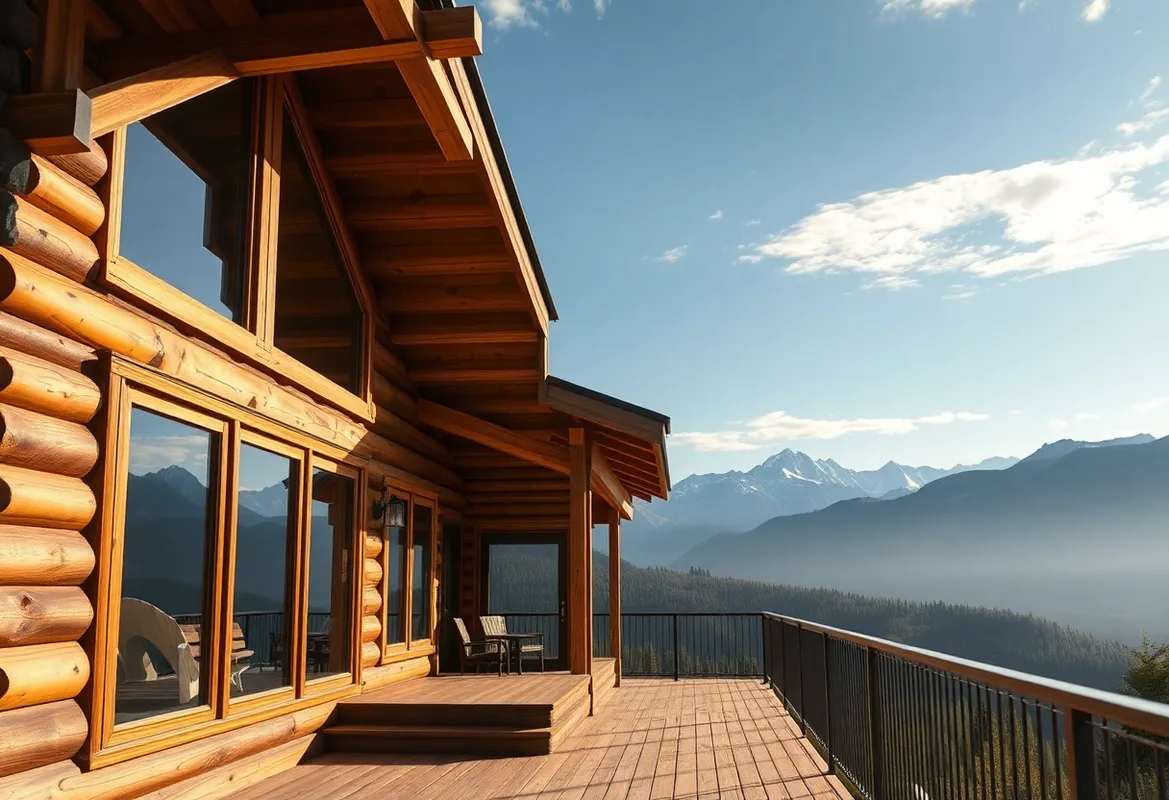
More people want off-grid cabins for their freedom and simplicity. They let you escape modern life and reconnect with nature. Many enjoy living with fewer distractions, allowing for more self-reflection and outdoor activities.
These homes promote a green lifestyle. Residents can use renewable energy, like solar panels or wind turbines, which cuts reliance on regular utilities and lowers bills significantly. Additionally, rainwater harvesting systems can provide water, meaning you do not depend on city sources.
Another reason for their popularity is the design options available. Off-grid cabins can be small and cozy or large and luxurious. The usual size ranges from 400 to 1,200 square feet, fitting different needs and budgets while allowing for layouts that suit individual lifestyles 8 Small Cabin Ideas for Off-Grid Living….
Location also plays a vital role in their appeal. Many are situated in beautiful remote areas, like the Rockies or Appalachians. This access to nature helps with relaxation and adventure. Good site orientation can maximize sunlight for solar energy and natural heating.
However, challenges exist. Poor cell service can make communication difficult, and some homeowners use satellite phones to stay in touch. Moisture can get into foundations and cause damage, but good roof overhangs and proper landscaping can help prevent this issue. Regular maintenance is key to keeping the structure in good shape.
Off-grid cabins mix usefulness with a desire for freedom. They support a lifestyle focused on sustainability and connection to nature. This blend of simplicity and independence makes them popular choices for many.
Key Features and Design Elements
This section provides additional context and guidance related to Off-Grid Cabins. For the best outcome, combine these insights with the core strategies outlined throughout this guide.
Every project is unique, so feel free to adapt the recommendations here to suit your specific needs, budget, and timeline.
Practical Guide and Tips
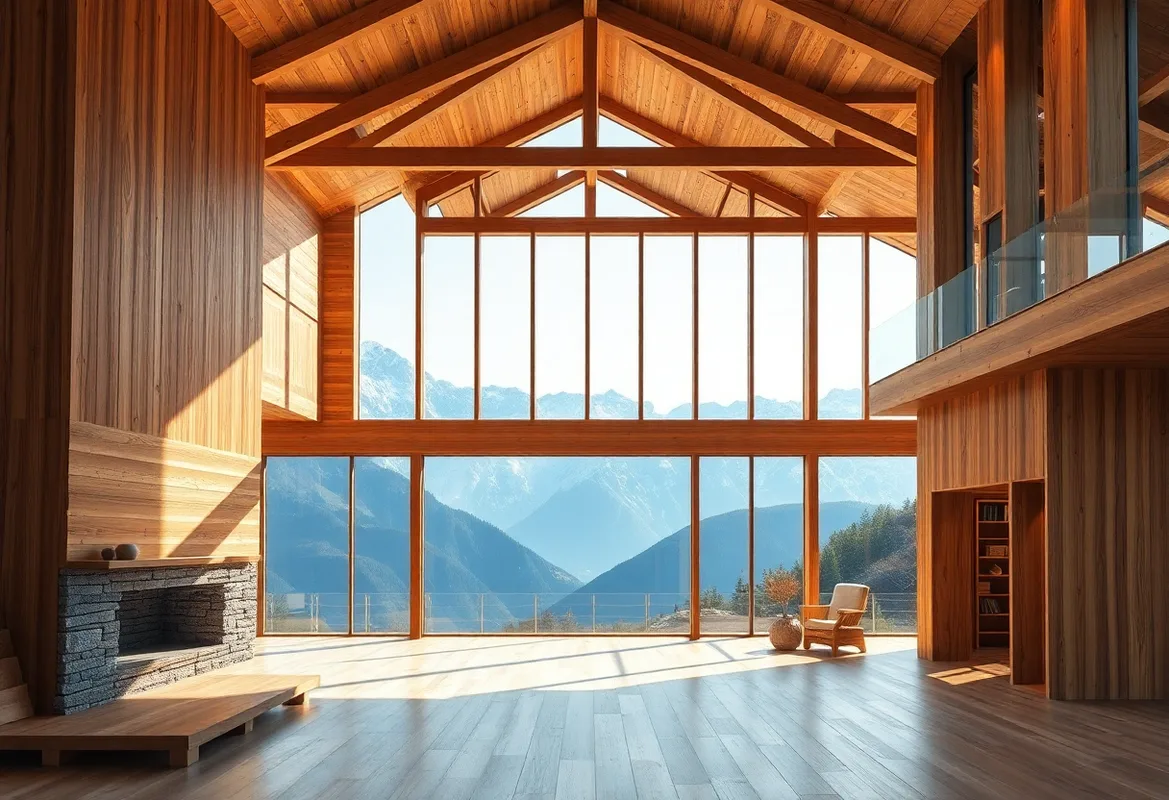
Start by choosing a suitable location for your off-grid cabin. Look for flat land with good sunlight exposure. This ensures enough energy generation from solar panels. Avoid areas with heavy tree cover that can block sunlight.
Next, consider your cabin design. A compact layout maximizes energy efficiency. Smaller cabins, like those around 400 square feet, reduce costs and require less energy to heat. Open floor plans can help conserve heat and create a spacious feel.
Focus on insulation to keep your cabin warm. Use materials with high R-values, like straw bales. Think of insulation as a warm blanket for your home, keeping the heat inside during winter. Seal any gaps or cracks to prevent drafts and improve energy efficiency.
Plan your energy system carefully. Solar panels are popular, but wind turbines can also work well. Solar panels generate energy during the day, while wind turbines can produce power at night. Choose based on your local climate and available resources. A hybrid system can offer the best of both worlds Design, Build & Live Free Off The….
For water supply, consider installing a rainwater harvesting system. This method collects water from your roof. It’s an effective way to ensure a steady supply. Additionally, filter the collected water to make it safe for drinking. Alternatively, you can dig a well if the location allows it.
Waste management is essential. Composting toilets are eco-friendly and save water. They break down waste naturally, turning it into compost. Traditional septic systems are another option, but they need more maintenance. Regularly check your system to prevent issues.
Budget wisely for construction. Estimate total costs by multiplying the square footage by your chosen materials and labor. Materials can vary widely, so research prices for wood versus metal. Each has its benefits and disadvantages in durability and cost. Always allow for unexpected expenses in your budget.
Stay updated with local building codes. Some areas have specific regulations for off-grid cabins. Following these ensures safety and compliance with the law. Consult with local authorities or building experts before starting your project.
Finally, embrace the journey. Off-grid living is a rewarding experience that enhances your connection with nature. Enjoy the process of building your perfect retreat! Take time to learn and adapt as you go along.
Cost Considerations and Budget Tips
Building an off-grid cabin can be a rewarding experience, but it requires careful budgeting. The average cost ranges from $150 to $300 per square foot. Understanding these costs helps you plan effectively and avoid surprises.
Materials play a significant role in your budget. Wood and metal are common choices. Wood is often cheaper and provides natural insulation. Metal, while more expensive, offers durability and low maintenance. Choose based on your priorities and local availability to keep costs down.
Size also affects costs. A typical cabin ranges from 400 to 1,200 square feet. Larger cabins may offer more space but increase expenses. Consider how much space you genuinely need for comfort. A smaller cabin can be cozy and cost-efficient.
Labor costs can vary widely. If you have building skills, you may save money by doing it yourself. Hiring contractors can speed up the process but will increase your budget. Weigh the pros and cons carefully. Always get multiple quotes if you choose to hire professionals.
Budget for energy systems like solar panels or wind turbines. Initial investments can be high, but they pay off in the long run. Research local incentives to reduce these upfront costs. Look into rebates and tax credits available in your area.
Don’t forget about water and waste management systems. Installations can vary in price based on complexity. Always include these elements in your total budget. Consider DIY solutions for systems like composting toilets to save money.
Common Mistakes to Avoid
Many new builders overlook proper insulation. Insufficient insulation leads to heat loss. This increases energy needs and costs. Use materials with a high R-value to keep your cabin warm in winter.
Choosing the wrong materials can be costly. Wood is popular for its warmth, but metal offers durability. Each has trade-offs in maintenance and cost. Consider climate and location when making your choice. For example, wood may need more upkeep in damp areas.
Ignoring water management systems is a mistake. Proper drainage and waste systems are vital. Skipping this can create health hazards and expensive repairs. Invest in a good septic system and rainwater collection to ensure clean water access.
Not planning for future needs is common. Your family may grow, or you might want to expand. Build with flexibility in mind to avoid costly renovations later. Consider modular designs that allow easy additions.
Underestimating budget requirements is risky. Construction costs range from $150 to $300 per square foot. Factor in permits, materials, and unexpected expenses. Always set aside a contingency fund to cover surprises during construction.
Lastly, neglecting local regulations can lead to fines. Research building codes and zoning laws in your area. Compliance ensures a smoother building process. Connecting with local builders can provide invaluable insights into regulations.
Frequently Asked Questions about Off-Grid Cabins
Common questions and answers about making Off-Grid Cabins will be added here soon.
Conclusion
Embracing the adventure of off-grid cabin living means stepping into a world of sustainability, independence, and unparalleled connection with nature. The freedom to craft a sanctuary that reflects your values and aspirations is not just a dream-it’s a tangible goal waiting to be realized. Whether you’re drawn to solar power, rainwater harvesting, or innovative building techniques, each choice you make paves the way towards a more self-sufficient and fulfilling lifestyle.
Now is the time to take your cabin dreams to the next level! I invite you to share your own off-grid projects, ideas, or thoughts in the comments below. Join the conversation and inspire others to embark on their journeys toward cabin living. Let’s build a community of mountain enthusiasts who celebrate the beauty of living in harmony with nature!
About the Author:
Rustic Living Consultant is a seasoned specialist with a lifelong passion for mountain architecture and rustic home design. With decades of experience in log home construction, they are dedicated to helping people turn their wilderness dreams into durable, stunning realities.
Leave a Comment