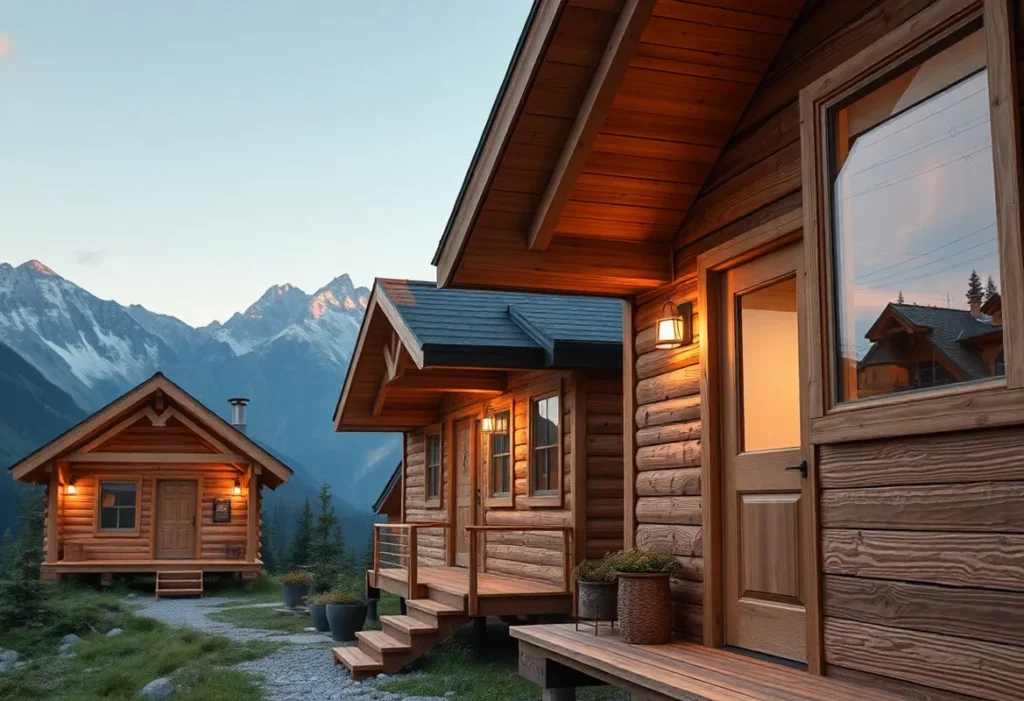
Tiny House Cabins are compact, efficient dwellings that serve as a foundational element of mountain living. A standard cabin of this type requires 40% less energy for heating and cooling compared to traditional homes.
Table of Contents
Tiny House Cabins offer benefits such as lower construction and maintenance costs, reduced environmental impact, and increased mobility. However, costs typically range from $20,000 to $100,000, depending on materials and amenities. Space limitations may also pose challenges for some homeowners seeking more room and storage.
Exploring the Allure of Tiny House Cabins
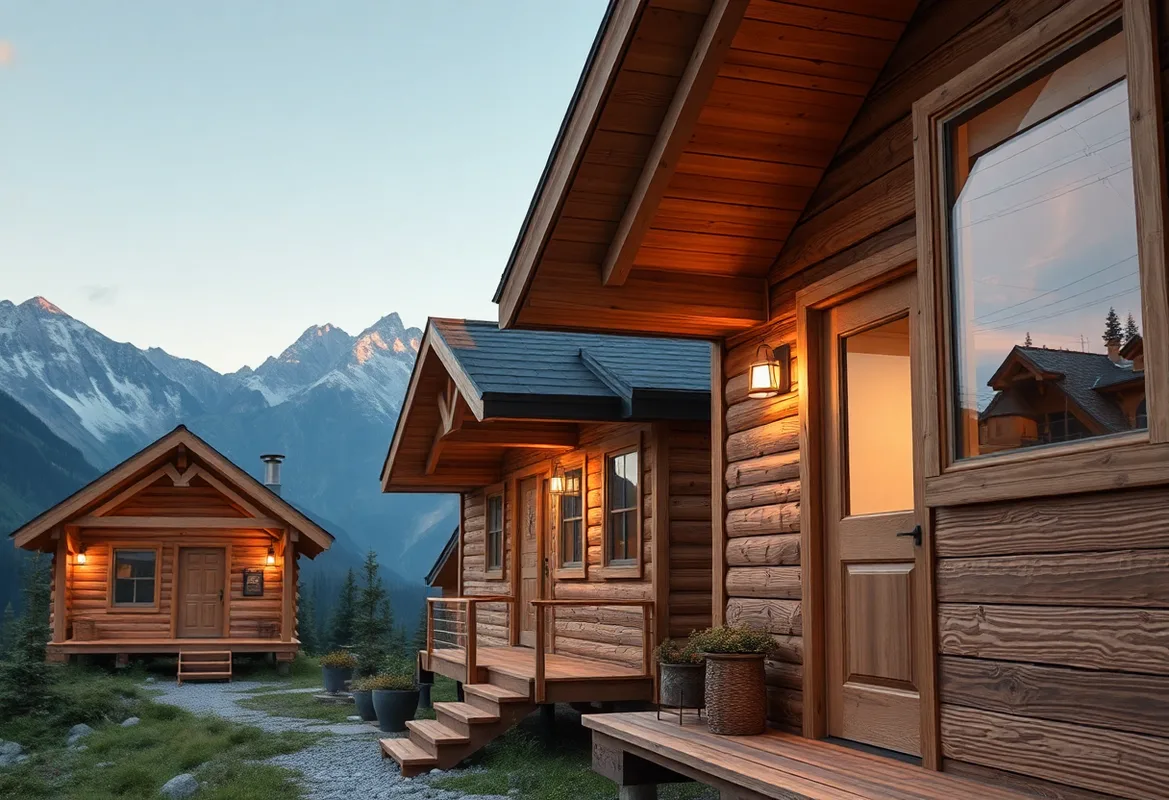
Tiny House Cabins captivate with their cozy charm and efficient design. They offer a retreat from the hustle of daily life. Many people find that living in a smaller space brings peace and simplicity.
Log cabins create a rustic feel. They connect homeowners with nature, but can be challenging to maintain. Regular chinking can significantly enhance their lifespan. Modular options offer flexibility in layout and design. Homeowners can easily customize them to fit their needs. Consider using multipurpose furniture to maximize space.
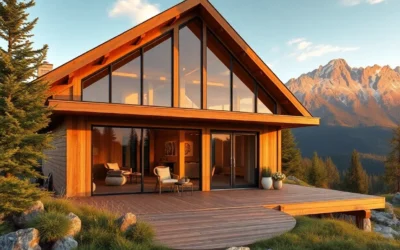
A-frame structures provide a unique aesthetic. Their steep roofs help shed snow, making them ideal for mountain living. They also allow for excellent natural light through large windows. Timber frame designs allow for larger open spaces, creating a warm and inviting atmosphere, perfect for family gatherings.
Prices for these homes generally range from $20,000 to $100,000. Choosing the right materials affects both cost and sustainability. Eco-friendly insulation can provide excellent thermal performance. Think about future maintenance costs as homeowners choose materials. Consider your budget and the allure of each design before making a choice.
💡 Expert Notes & Insights
- Impact of Zoning Regulations: Many potential tiny house cabin owners overlook the importance of local zoning laws and building codes. These regulations can significantly affect where a tiny house can be placed and how it can be built. Understanding these legal requirements is crucial to avoid costly fines or the need for expensive modifications, which can ultimately impact the overall budget and feasibility of the project.
- Long-Term Resale Value: The resale value of tiny house cabins is often underestimated. While initial costs may seem low, factors such as location, quality of materials, and design can influence long-term value. According to real estate trends, well-built tiny homes in desirable locations can appreciate in value, making them not just a lifestyle choice but a potential investment. This insight is vital for individuals considering tiny homes as a long-term living solution or investment opportunity.
How to Get Started with Tiny House Cabins
Follow these straightforward steps to achieve great results:
Step 1 – Plan: Define your goals, gather your materials, and outline the scope of the project before you begin.
Step 2 – Prepare: Set up your workspace and verify that all tools and resources are ready to go.
Step 3 – Execute: Work through each phase methodically, referring back to the guidelines in this article as needed.
Step 4 – Review: Assess your progress at each milestone. Make adjustments early to stay on track.
Step 5 – Finalize: Complete the finishing touches, do a final quality check, and enjoy the results of your work.
Understanding the Costs Involved in Tiny House Cabins
Costs for tiny house cabins can vary widely. Basic models start around $20,000. More complex designs can reach $100,000 or more. The choice of materials plays a significant role in these expenses.
Wood is a common choice, especially for log and timber frame structures. It provides warmth and durability. However, it can be pricier than modular options, which use factory-made panels. These homes are faster to build but may lack the charm of traditional styles. Keep in mind that reclaimed wood can add character and is often more affordable.
Labor costs also impact your budget. Many areas require licensed contractors for grid connections, which can add several thousand dollars to your overall expense. Consider researching local regulations. Some locations allow DIY options, which can save money. Hiring a handyman instead of a contractor can also reduce costs for smaller tasks.
Another cost factor is location. Building near lakesides or in remote mountain areas may increase transportation expenses. Additionally, zoning laws can affect what homeowners can build. Always check local guidelines before starting your project. Finding land near existing infrastructure can help reduce costs.
Space-saving solutions, like foldable furniture, can help manage expenses. Traditional loft beds might not be practical in tiny homes. Explore alternatives like Murphy beds or daybeds to maximize space and comfort. Custom-built furniture can also fit your cabin perfectly, reducing clutter.
Understanding these cost factors is crucial. It will help you make informed decisions for your tiny house cabin. Budgeting carefully ensures you enjoy your retreat without financial stress Think Small With This Gigantic Guide to….
What Makes Modular Cabins Unique?
Modular cabins stand out because of their flexible design and quick building. These homes are made in sections, or modules, off-site. Once done, they are moved and put together at your spot. This method cuts waste and speeds up the building process 84 Tiny Homes That’ll Convince You to….
One special part of modular cabins is their customizability. Homeowners can pick layouts, materials, and finishes to fit their needs. For example, you might like a cozy timber frame design or a sleek modern look. This level of choice is often harder to get with traditional log cabins or pre-made kits. Consider working with a designer to create a space that shows your style and works well for your life.
Efficiency is another key feature. Modular building usually follows strict industry rules. Homes are built to be energy-efficient, often using good insulation and green materials. This cuts energy use and boosts comfort. In contrast, traditional log cabins may need more upkeep and energy over time. Look for options with R-values between 20 and 30 for better insulation and lower energy costs.
Location flexibility also makes modular cabins appealing. They can fit into many places, from mountains to lakesides. Unlike A-frame structures, which need a specific slope for roof design, modular cabins adapt to different land and style choices. This lets homeowners create unique spaces that match their surroundings. Always check local zoning laws, as they can affect where you build.
Finally, modular cabins can be cheaper than traditional homes. With lower labor costs and shorter building times, homeowners can save money while still getting a cozy retreat. This often makes them a good choice for first-time buyers or those wanting vacation homes. Additionally, homeowners can invest in eco-friendly features, such as solar panels, to boost sustainability. Overall, modular cabins offer a unique mix of efficiency, customization, and adaptability.
Tips for Planning Your Perfect Getaway
Start by choosing your ideal location. Mountains, lakesides, or rural areas all offer unique experiences. Decide what scenery and activities you want nearby. For instance, mountains provide hiking trails, while lakesides offer fishing opportunities.
Next, think about the size of your tiny house cabin. A space of 100 to 400 square feet is typical. Smaller options are easier to maintain but can feel cramped. Larger designs provide more comfort but may cost more. Prioritize what space you need for sleeping, cooking, and relaxation.
Budgeting is crucial. Typical costs for tiny house cabins can range widely. Regular prices can fall between $20,000 and $100,000. Research thoroughly to avoid overspending. Keep unexpected costs in mind, like permits or site preparation.
Consider the amenities you want. A simple cabin may only have basic features. A more luxurious option could include modern appliances and beautiful finishes. Weigh the benefits of comfort against your budget. Think about whether you need a full kitchen or just a kitchenette.
Don’t overlook your access to utilities. Some cabins are off-grid, relying on solar power and water tanks. Others can connect to local utilities but may require higher startup costs. Evaluate what works best for you and your lifestyle.
Lastly, plan for the future. Modular homes offer flexibility for expansion later. If you find yourself loving the tiny house lifestyle, you might want more space in the years ahead. Consider how your needs may change over time, such as family size or hobbies.
The Benefits of Choosing Log Cabin Homes
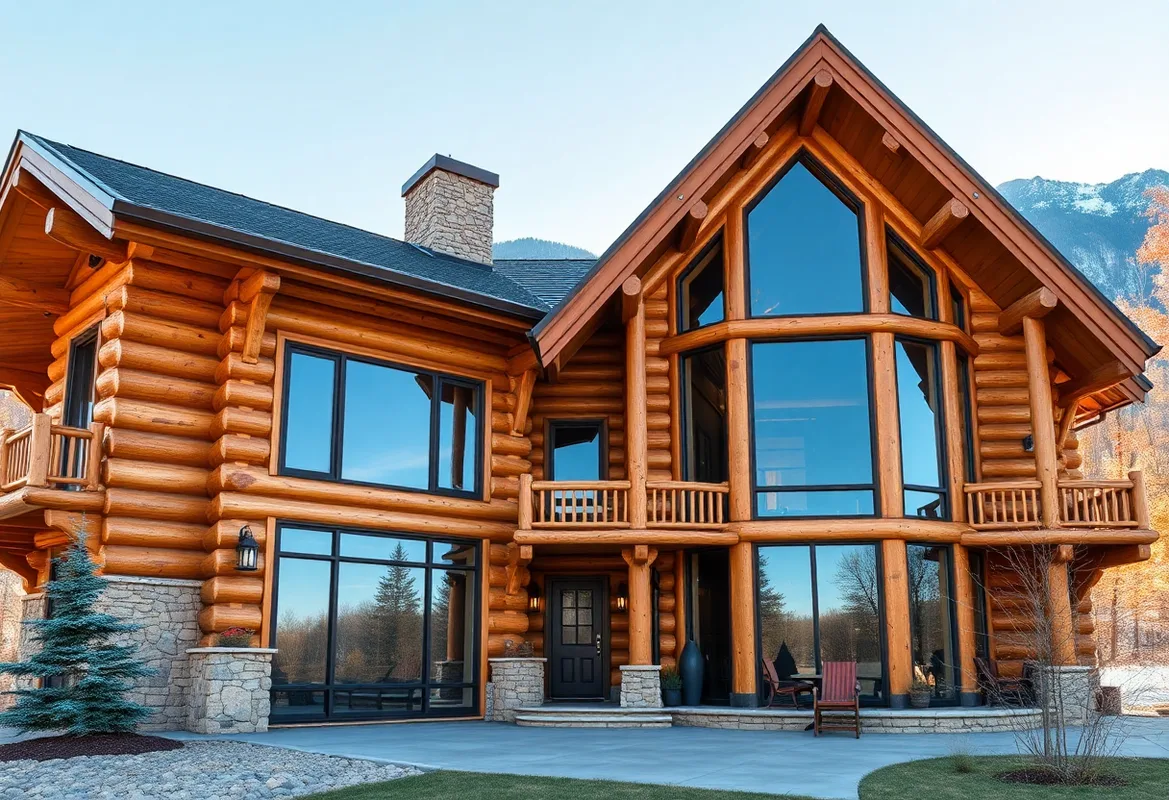
Log cabin homes offer a unique charm. Their natural wood aesthetic creates a cozy atmosphere. Many people find them more inviting than modular or timber frame structures.
Durability is a significant advantage of log cabins. Logs can withstand harsh weather conditions. With proper maintenance, these homes can last for generations.
Insulation is another benefit. Logs provide excellent thermal mass. This means your home stays warm in winter and cool in summer. It reduces energy costs, making it a smart choice for those looking to save.
Log cabins are customizable. Homeowners can choose from various designs and layouts. Options range from traditional to modern styles, allowing personal expression.
Cost is often a concern. Log cabin kits can start at a lower price than modular homes. However, building a log cabin may require more labor. This trade-off can lead to higher overall costs if not managed well.
For a getaway, log cabins provide a perfect escape. They blend beautifully with nature, making them ideal for mountain or lakeside retreats. This connection to nature adds to the appeal.
Choosing a log cabin means embracing a lifestyle. It’s about simplicity, comfort, and a connection to the outdoors. This choice can be rewarding for many seeking a tiny house cabin.
How to Find Affordable Tiny House Options
Start by researching online platforms that list tiny house cabins. Websites like Tiny House Listings and Craigslist often feature affordable options. You can find unique properties that fit your budget.
Explore modular tiny houses as an option. They are typically less expensive than custom builds. Plus, they can be constructed quickly, saving you labor costs. Modular homes are built in sections in a factory. This leads to better quality control and less waste.
Consider purchasing a used tiny house. Many people sell their cabins after a few years. These houses often come with upgrades, saving you money on renovations. Look for homes with solar panels or efficient appliances already installed.
Look for tiny house communities. Some developments offer lower prices for homes built in a cluster. This can also provide a supportive community environment. These communities often have shared resources, like gardens or workshops, lowering your individual costs.
Attend tiny house festivals or expos. These events showcase various builders and their designs. You might find promotional prices and meet industry professionals who offer insights on affordable options. Take notes on building techniques and design ideas that inspire you.
Networking with tiny house enthusiasts can help you discover hidden gems. Join online forums or local groups. Members often share leads on affordable properties or builders. Sharing your budget needs can lead to personalized suggestions.
Consider off-grid options. They are generally more affordable due to fewer utility connections. This lifestyle choice can also lead to lower ongoing costs. Solar energy and rainwater collection can significantly reduce your bills.
Look into financing options specifically for tiny homes. Some financial institutions offer loans for unique houses. Compare rates and terms to find the best fit for your situation. A good credit score can help you secure better financing deals.
Finally, keep an eye on local real estate trends. Prices for tiny house cabins often fluctuate based on demand. Staying informed can help you make a timely purchase. Set up alerts on listing websites to receive notifications for new listings.
Essential Features of Modern Tiny Cabins
This section provides additional context and guidance related to Tiny House Cabins. For the best outcome, combine these insights with the core strategies outlined throughout this guide.
Every project is unique, so feel free to adapt the recommendations here to suit your specific needs, budget, and timeline.
Navigating the Hidden Costs of Tiny House Cabins
Tiny House Cabins can seem cheap at first. However, hidden costs can add up fast. For example, site prep is often missed. Clearing land and ensuring good drainage can be costly but needed. Always budget for excavation and leveling to avoid surprises.
Utility connections also add to costs. Connecting water, power, and sewage may need permits. These expenses can change based on where homeowners are and what services are available. Research local regulations to understand specific fees. This step can save you from unexpected expenses.
Insurance is another hidden cost. Standard homeowners insurance may not cover these structures. Homeowners might need special coverage, which can be more expensive. Consider checking with multiple insurers to find the best rates. Always ask about coverage limits and exclusions.
Also, think about long-term maintenance costs. Wood cabins may need regular staining or sealing. An A-frame might require less care due to its shape, but watch for leaks. Regular inspections can help you catch small issues early, preventing bigger problems later.
Building materials affect overall costs too. A timber frame option could last long, but may cost more than a modular choice. Weigh the pros of each material against your budget. Choose eco-friendly options if possible, as they can save on energy costs.
Unexpected repairs can also happen. Whether it’s a leaky roof or plumbing issues, having extra money is smart. Setting aside funds for these surprises can save you stress later. Aim to save at least 10% of your budget for emergencies.
Understanding these hidden costs is key. Being aware helps you make smart choices. It ensures your tiny house remains a good investment. Always read the fine print on contracts and stay informed.
Exploring Popular Tiny House Cabin Locations
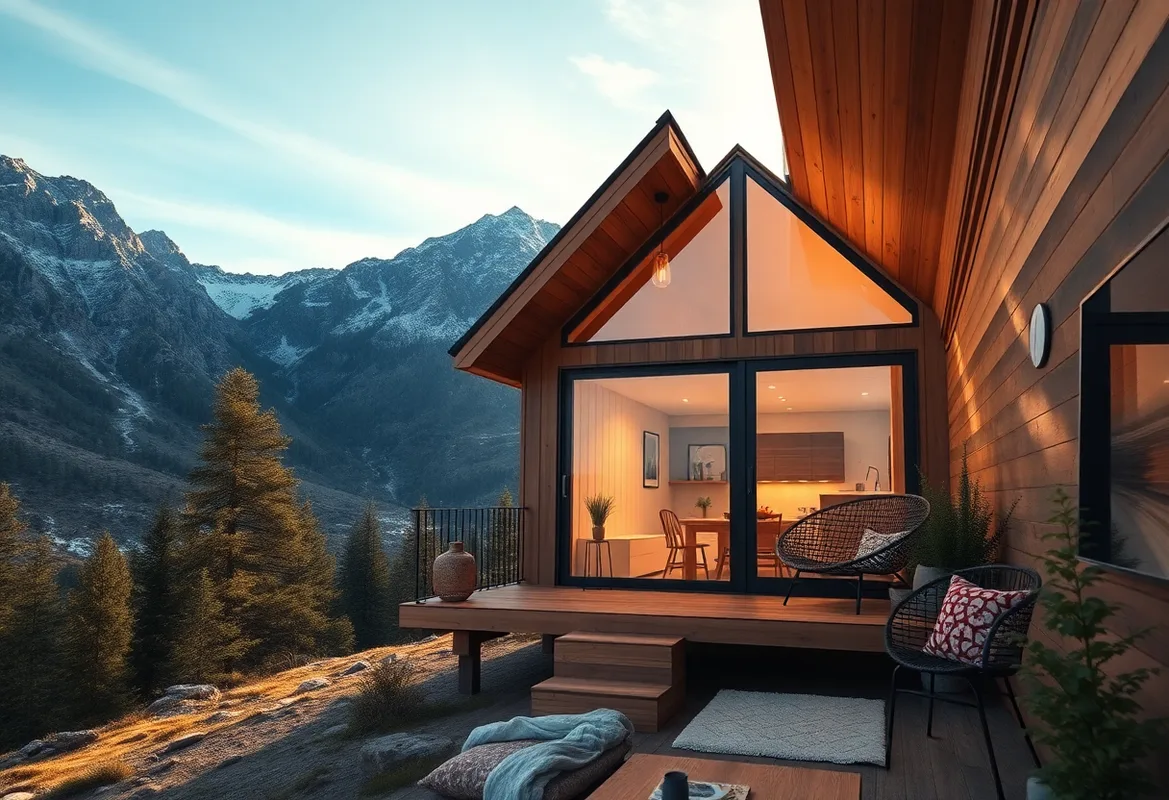
Mountains offer stunning views and fresh air. Building a tiny house cabin here can provide a peaceful escape. A-frame designs work well in these regions. They shed snow easily and blend with the environment. Look for sites with good solar exposure. This will help maximize energy efficiency.
Lakesides are another excellent choice. They provide recreation and tranquility. Tiny homes near water can serve as perfect vacation getaways. Log cabins are often favored in these areas for their rustic charm. Consider adding decks or patios for outdoor living. This enhances your experience by bringing you closer to nature.
Rural areas present unique opportunities. They offer greater space and lower costs. A modular cabin kit may be the best option for quick setup. These kits can start at $20,000, making them an affordable choice. Research local building codes before you start. This can save you time and money.
Each location has its trade-offs. Mountains can be remote, while lakesides can get crowded. Choose based on your lifestyle and preferences. Tiny house cabins can provide comfort, adventure, and a simpler way of living. Think about access to amenities like grocery stores and healthcare. Balance nature with convenience for the best experience.
Frequently Asked Questions
Q: What is a Tiny House Cabin?
A: A Tiny House Cabin is a small, cozy home. It is designed for simple living.
Q: How do Tiny House Cabins stay warm?
A: They use insulation. Think of it like a warm blanket for your home.
Q: What is R-value?
A: R-value measures insulation’s effectiveness. Higher numbers mean better insulation.
Q: What is thermal mass?
A: Thermal mass stores heat. It’s like a sponge soaking up warmth.
Q: How do I keep my Tiny House Cabin dry?
A: Use chinking between logs. It acts like caulk, keeping moisture out.
Q: Can I build a Tiny House Cabin myself?
A: Yes, many people do. It requires planning and some skills.
Q: What materials are best for Tiny House Cabins?
A: Wood is popular. It’s strong, lightweight, and looks great.
Q: How do I find land for my Tiny House Cabin?
A: Look for rural areas. Check local laws and zoning rules.
Q: Are Tiny House Cabins eco-friendly?
A: Yes, they use less energy. They promote a simpler, sustainable lifestyle.
Q: How much does a Tiny House Cabin cost?
A: Costs vary. They can range from a few thousand to over a hundred thousand dollars.
Q: Can I have running water in my Tiny House Cabin?
A: Yes, many cabins have plumbing. It can be simple or elaborate.
Q: What is the average size of a Tiny House Cabin?
A: They are usually between 100 and 400 square feet. Size can vary widely.
Q: Do Tiny House Cabins have electricity?
A: Yes, they can. Many use solar panels for power.
Q: Can I customize my Tiny House Cabin?
A: Absolutely! Many owners personalize designs to fit their needs.
Q: How long does it take to build a Tiny House Cabin?
A: It can take a few weeks to several months. It depends on the design and materials.
Conclusion
Embracing the tiny house cabin lifestyle presents an incredible opportunity to reconnect with nature while enjoying the simplicity of living. These compact structures not only minimize your environmental footprint but also maximize your quality of life, providing a serene retreat away from the hustle and bustle. The charm of tiny house cabins lies in their ability to harmonize with the landscape, offering an idyllic space for relaxation, creativity, and connection with loved ones.
Now is the time to take action! I invite you to share your own tiny house cabin projects or thoughts-whether you’re dreaming, planning, or actively building. Let’s inspire each other to create our own perfect mountain retreats. Join the conversation and be part of the growing movement toward a simpler, more fulfilling way of life in our beautiful mountains!
About the Author:
Rustic Living Consultant is a seasoned specialist with a lifelong passion for mountain architecture and rustic home design. With decades of experience in log home construction, they are dedicated to helping people turn their wilderness dreams into durable, stunning realities.
Leave a Comment